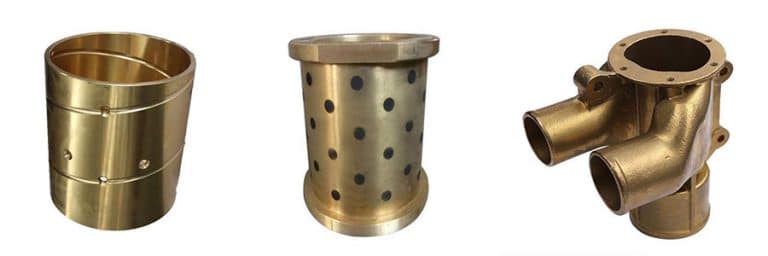

Mold technology plays a pivotal role in enhancing the quality of brass castings, a process essential for high-performance components across diverse industries. At JC, a leading Investment Casting and Machining manufacturer, continual advancements in mold materials, design, and fabrication techniques have led to significant improvements in brass casting outcomes. By utilizing high-purity ceramic shells, engineered composite mold materials, and specialized surface coatings, JC minimizes defects and ensures dimensional accuracy. Advanced CAD/CAM design, flow simulation, and thermal analysis provide further precision, optimizing molten brass movement and solidification. Automation in wax pattern injection, robotic shell assembly, and high-temperature curing reduces human error and boosts mold consistency. Rigorous quality control measures, including 3D scanning, X-ray inspection, and automated vision systems, guarantee mold integrity and casting excellence. JC’s case studies demonstrate tangible benefits such as reduced defect rates, improved surface finish, and increased production efficiency. Ongoing research into additive manufacturing and embedded sensor technology promises even greater control and quality in brass casting. Through collaborative innovation and a steadfast commitment to excellence, JC continues to set industry standards, delivering superior brass components that meet the evolving needs of its clients.
Brass casting is a critical manufacturing process that enables the production of complex and high-performance components for industries ranging from automotive to aerospace. As a leading Investment Casting and Machining manufacturer, JC recognizes the transformative impact that mold technology can have on the quality, efficiency, and consistency of brass castings. In this article, we explore the latest advancements in mold technology and their practical applications to improve brass casting quality, drawing upon JC’s extensive experience and expertise.
Understanding Brass Casting and Its Challenges
Brass, a copper-zinc alloy, is valued for its machinability, corrosion resistance, and aesthetic appeal. However, achieving consistently high-quality brass castings requires overcoming specific challenges, such as porosity, dimensional inaccuracies, and surface defects. The mold used in the casting process is a primary factor influencing these outcomes. At JC, we continually innovate our mold designs and fabrication techniques to address these challenges and deliver exceptional products to our clients.
The Role of Mold Technology in Brass Casting
Mold technology refers to the materials, design approaches, and engineering controls utilized in the creation of molds for metal casting. For brass investment casting, the mold not only defines the final geometry but also affects how molten brass flows, solidifies, and cools. Advanced mold technologies employed by JC include precision wax modeling, ceramic shell formation, and sophisticated gating system designs.
Key Advancements in Mold Materials
- Ceramic Shells: JC utilizes high-purity ceramic shells that offer superior thermal stability and permeability, preventing casting defects and ensuring dimensional accuracy.
- Composite Mold Materials: By incorporating engineered binders and reinforcement agents, we enhance mold strength and resistance to thermal shock, reducing the risk of cracking during casting.
- Surface Coatings: Innovative coatings applied to mold surfaces by JC minimize metal-mold reactions and improve surface finish of brass components.
Precision Mold Design for Enhanced Quality
The design phase of the mold is crucial to casting success. JC applies advanced CAD/CAM software to optimize mold geometry, gating, and riser placement. These design improvements help direct the flow of molten brass, minimize turbulence, and reduce the occurrence of porosity and inclusions.
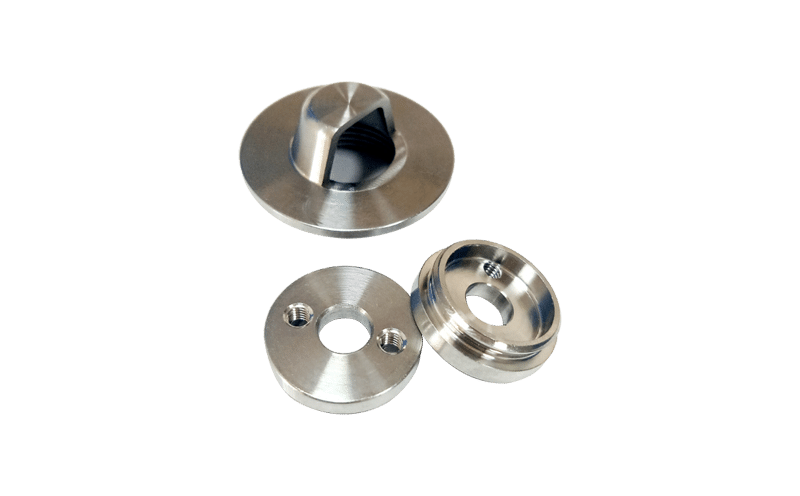
- Flow Simulation: JC employs flow simulation tools to predict and correct potential issues in liquid brass movement, ensuring complete mold fill and consistent solidification.
- Thermal Analysis: We use thermal modeling to identify hot spots and optimize cooling rates, preventing shrinkage defects and warping.
Innovative Mold Fabrication Techniques
JC embraces automation and precision engineering in mold fabrication. Automated dispensing of wax patterns and robotic assembly of shell layers result in higher reproducibility and reduced human error. Additionally, advanced sintering and curing technologies enable rapid mold production without compromising quality.
- Automated Wax Injection: Ensures uniformity of patterns, directly impacting final product consistency.
- Robotic Shell Assembly: Reduces variability and improves structural integrity of ceramic shells.
- High-Temperature Curing: Enhances mold robustness and reliability during casting.
Quality Control and Inspection in Mold Technology
JC integrates comprehensive quality control measures throughout the mold fabrication and casting process. Non-destructive testing, digital dimensional analysis, and microscopic inspection are routinely performed to verify mold integrity and casting fidelity.
- 3D Scanning: Enables precise measurement of molds and castings, ensuring adherence to tolerances.
- X-ray Inspection: Detects internal mold flaws and casting defects before machining.
- Automated Vision Systems: Monitor surface quality and identify defects at early stages.
Case Studies: JC’s Mold Technology Improvements in Brass Casting
JC has successfully implemented mold technology innovations in multiple brass casting projects. For example, in the production of high-pressure valve bodies, improvements in ceramic shell composition and gating design reduced defect rates by 25% and improved surface quality. In another project, robotic mold assembly enabled a 40% reduction in cycle times while maintaining tight dimensional tolerances.
Benefits Realized through Advanced Mold Technology
| Aspect | Benefit |
|---|---|
| Dimensional Accuracy | Reduced machining requirements, better fit and function |
| Surface Finish | Minimized polishing, enhanced appearance |
| Mechanical Integrity | Fewer defects, improved performance |
| Process Efficiency | Shorter cycle times, lower costs |
| Environmental Impact | Optimized material usage, less waste |
Future Directions in Mold Technology for Brass Casting
JC is committed to staying at the forefront of mold technology innovation. Current research focuses on additive manufacturing of molds, using 3D printing to create intricate mold geometries unachievable by traditional methods. Additionally, the integration of real-time sensors into molds enables dynamic monitoring and control, further reducing defect rates and enhancing brass casting quality.
Collaborative Approach to Continuous Improvement
JC works closely with clients, suppliers, and research institutions to refine mold technologies and share best practices. This collaborative ecosystem fosters innovation and drives the entire brass casting industry toward higher standards of excellence.
Summary Table: Mold Technology Impact on Brass Casting Quality
| Mold Technology Feature | Impact on Brass Casting |
|---|---|
| Advanced Mold Materials | Improved durability, fewer casting defects |
| Precision Mold Design | Consistent geometry, enhanced mechanical properties |
| Automated Fabrication | Greater reproducibility, reduced errors |
| Quality Control Integration | Early detection of flaws, higher yield |
Ongoing Commitment to Quality at JC
Through continual investment in mold technology, JC upholds its reputation as an industry leader in brass casting and machining. Our dedication to quality and innovation ensures that clients receive reliable, high-performance brass components tailored to their needs.
For more information about JC’s investment casting capabilities and how advanced mold technology can benefit your brass casting projects, contact our expert team or explore our technical resources.