

Sand casting cores have revolutionized the way manufacturers like JC approach the production of complex-shaped components through investment casting. By enabling the formation of intricate internal features, undercuts, and channels that are challenging for traditional methods, sand cores offer enhanced design flexibility, improved mechanical properties, reduced costs, and shortened lead times. JC’s expertise in integrating and innovating around sand core technology allows diverse industries—from aerospace to medical—to benefit from custom, high-performance cast solutions. Through collaborative engineering, rigorous process control, and the adoption of advanced materials and digital inspection tools, JC ensures that customers receive products of superior accuracy and quality. The adoption of sand cores signifies a new era of complexity and efficiency in investment casting, paving the way for future innovations and expanded design possibilities.
As a leading Investment Casting and machining manufacturer, JC continually explores innovative techniques to deliver superior, complex-shaped products to clients across various industries. One of the pivotal innovations transforming the casting landscape is the use of sand casting cores. This comprehensive article delves into how sand casting cores can significantly enhance the complexity and quality of investment cast components.
Understanding Sand Casting Cores in Investment Casting
Sand casting cores, at their essence, are internal molds placed within the main mold cavity to form internal cavities or intricate passages in castings. Typically composed of specially bound sand mixtures, these cores are shaped to fit inside the outer mold and withstand the high temperatures and pressures of molten metal during the investment casting process. The use of sand cores enables the realization of shapes and features that would be difficult or impossible to achieve using traditional wax patterns alone.
The Role of JC: Merging Traditional and Advanced Techniques
JC has successfully integrated sand core technology within its advanced investment casting processes. This integration allows JC to offer enhanced product geometry, tighter dimensional tolerances, and reduced need for post-casting machining. By leveraging both traditional craftsmanship and modern technologies, JC addresses the challenges of producing increasingly complex components for aerospace, automotive, energy, and medical sectors.
Advantages of Using Sand Casting Cores for Complex Shapes
- Increased Design Flexibility: Sand cores make it possible to create internal channels, undercuts, or thin-walled structures that would otherwise require expensive multi-piece molds or extensive machining.
- Cost-Effectiveness: The use of sand cores significantly reduces production costs by minimizing the need for complicated tooling or secondary operations.
- Enhanced Mechanical Properties: With sand cores, designers can optimize the structure for strength, weight reduction, or heat transfer, resulting in components that better meet end-use requirements.
- Improved Surface Finish: Modern core materials and binders allow for smoother internal surfaces, reducing the need for further finishing.
- Reduced Lead Times: By consolidating multiple manufacturing steps, sand cores can drastically shorten the time from design to finished product.
Technical Overview: How Sand Cores Work in Investment Casting
The process begins with the creation of a high-precision sand core, using materials such as silica sand bonded with organic or inorganic resins. The core is carefully dried and then inserted into the investment casting mold before the main wax pattern is surrounded by refractory material. Once the wax is melted and removed, the core remains in place inside the cavity. During metal pouring, the sand core withstands the thermal and mechanical stresses, retaining its shape and defining the final internal geometry. After solidification, the sand core is mechanically or chemically broken down and removed, leaving the complex internal features intact.
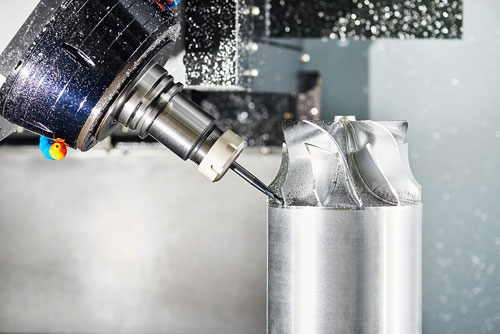
Types of Sand Cores Used by JC
- Shell Cores: Thin-walled sand cores made by blowing sand onto heated metal patterns for high-precision internal passages.
- Cold Box Cores: Manufactured at room temperature using gas-cured binders for intricate and robust structures.
- Hot Box Cores: Formed using heat-activated binders for improved strength and stability.
Case Studies: JC’s Application of Sand Cores for Complex Components
One of JC’s recent projects involved the production of a turbine blade featuring integrated cooling channels. Traditional investment casting alone could not achieve the required internal geometry. By designing a multi-part shell core, JC enabled the formation of precise, interconnecting channels, enhancing the blade’s performance and longevity. Another example is a medical implant housing featuring spiral cavities; the use of cold box sand cores facilitated the casting of ultra-smooth internal features, reducing subsequent machining by 70%.
Design Considerations: What Makes Sand Cores Essential?
- Complexity: As product geometries become more demanding, conventional wax patterns hit their limits. Sand cores provide the solution for deep cavities, sharp corners, and undercuts.
- Tolerance Control: JC engineers fine-tune sand core dimensions and positioning systems, ensuring each casting meets strict tolerance requirements.
- Material Compatibility: JC selects core materials and binders that are compatible with a wide variety of ferrous and non-ferrous alloys, maintaining core stability throughout the casting process.
Process Integration: JC’s Approach to Consistent Quality
JC has developed a suite of proprietary process controls to guarantee the repeatability and reliability of sand core investment castings. These controls include automated mixing and core-shooting, real-time temperature monitoring, and digital X-ray inspection of finished castings. Each step is meticulously documented, enabling root-cause analysis and continuous improvement.
Overcoming Challenges in Sand Core Use
While sand cores offer significant benefits, they also present distinct challenges. Moisture content must be strictly regulated to prevent steam-related defects. Core placement and support must be precise to avoid shifting or breakage during pouring. JC employs advanced simulation software to predict core behavior under various conditions and devises robust support systems for especially complex cores.
Key Innovations in Sand Core Technology
- 3D Printed Sand Cores: Additive manufacturing enables rapid prototyping of complex core designs, reducing development time and allowing unprecedented design freedom.
- Advanced Binder Systems: New organic and inorganic binders offer better thermal stability, lower gas emission, and easier core removal post-casting.
- Integrated Core Support Features: JC customizes support features such as ceramic rods or metal pins within the core for large or slender castings.
Industry Applications: Examples of Enhanced Product Shapes
| Industry | Product | Benefit of Sand Core Usage |
|---|---|---|
| Aerospace | Engine Components | Internal cooling channels, weight reduction |
| Automotive | Turbocharger Housings | Optimized gas flow, complex internal geometry |
| Medical | Implant Housings | Minimized machining, smooth internal surfaces |
| Energy | Pump Impellers | Enhanced flow features, integrated vanes |
Comparing Sand Cores with Alternative Internal Molding Techniques
Other methods, such as soluble wax or ceramic cores, can create internal features but often at higher costs, longer lead times, or with limited geometric complexity. Sand cores, especially modern variants, offer an optimal blend of cost, speed, and design capability. JC works closely with clients to determine the best internal molding strategy for each unique application.
Environmental and Sustainability Considerations
JC is committed to environmentally responsible manufacturing. Many modern sand cores use recyclable sand and low-emissions binders, reducing waste and environmental impact. Used sand is reclaimed and processed for reuse, and spent cores are disposed of in compliance with the latest environmental standards.
Collaborative Design with JC: Unlocking New Possibilities
JC’s engineering team invites customers to collaborate from the earliest design stages. By involving sand core specialists in the product development phase, design constraints are minimized, and new possibilities for functionally optimized, lightweight, and high-performance components are unlocked. JC’s in-house prototyping and simulation capabilities further accelerate the path from concept to production.
Quality Assurance and Inspection Methods
To guarantee the integrity of sand core castings, JC employs an array of inspection technologies, including:
- 3D laser scanning for external and internal geometry validation
- Computed tomography (CT) scanning to assess core placement and cavity accuracy
- Metallurgical analysis to detect any core-related inclusions or defects
Future Trends in Sand Core and Investment Casting Integration
Emerging technologies such as AI-assisted design optimization, real-time process monitoring, and hybrid additive-subtractive manufacturing are set to further expand what is possible with sand core investment casting. JC is at the forefront of integrating these innovations to help clients maintain a competitive edge.