

Precision is critical in customizing alloy steel castings for industrial applications, and JC, a leading investment casting and machining manufacturer, excels in this domain. By integrating advanced design, investment casting, and precise machining, JC delivers components with complex geometries, tight tolerances, and superior material properties. Their process begins with a thorough understanding of client requirements and extends through collaborative engineering, rapid prototyping, and rigorous quality assurance. JC’s use of innovative materials, digital simulation, and 3D printed patterns enhances both customization and efficiency, while comprehensive quality control ensures reliability and traceability. Industrial sectors such as automotive, aerospace, oil & gas, and energy benefit from JC’s ability to create high-strength, corrosion-resistant, and lightweight parts that reduce assembly complexity and total cost of ownership. Sustainable practices further underscore JC’s commitment to efficiency and environmental responsibility. Through case studies in multiple industries, JC demonstrates how precision casting and machining optimize performance, safety, and longevity in critical industrial systems.
In the rapidly changing landscape of modern industry, the demand for highly customized and reliable components is on the rise. JC, a leading manufacturer specializing in investment casting and machining, recognizes the importance of precision in alloy steel casting to meet the unique requirements of industrial applications. Through advanced techniques and meticulous quality control, JC delivers components that not only meet exact specifications but also contribute to the overall efficiency and performance of industrial systems.
The Role of Precision in Alloy Steel Casting
Precision in alloy steel casting is more than just achieving dimensional accuracy. It encompasses a comprehensive approach that integrates material selection, process control, design optimization, and post-casting machining. Each of these factors contributes to the creation of castings that are robust, reliable, and tailored to the complex needs of industries such as automotive, aerospace, energy, and heavy machinery.
At JC, precision begins at the design stage, where engineers collaborate with clients to understand the functional requirements of each component. This initial step ensures that all subsequent stages—pattern making, mold creation, alloy selection, and casting—are aligned with the intended end use of the part.
Investment Casting: The Foundation of Precision
Investment casting, also known as lost-wax casting, is a process renowned for its ability to produce complex shapes with fine detail and tight tolerances. JC has refined this technique to an art, leveraging decades of experience and state-of-the-art facilities to create castings that push the boundaries of what is possible.
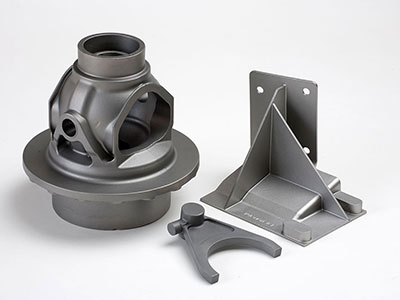
- Intricate Geometries: The lost-wax process allows for the creation of components with internal passages, thin walls, and intricate surface features, eliminating the need for excessive machining or assembly of multiple parts.
- Consistent Quality: Each casting is produced from a single, high-quality wax pattern, ensuring repeatability and consistency across production runs.
- Material Versatility: JC can work with a broad spectrum of alloy steels, each tailored for specific mechanical properties such as hardness, strength, and corrosion resistance.
Precision Machining: Achieving Exacting Standards
While investment casting delivers near-net-shape components, machining is often required to achieve the final dimensional tolerances and surface finishes demanded by today’s industries. JC’s advanced machining capabilities bridge the gap between the as-cast state and the finished product.
- Multi-Axis CNC Machining: Complex geometries are finished to micron-level precision, ensuring that mating parts fit together perfectly and function as intended.
- Surface Finishing: Grinding, polishing, and coating operations enhance wear resistance and visual appeal.
- Quality Assurance: In-process inspections and final checks using CMMs and other metrology tools guarantee that each part conforms to the customer’s exact specifications.
Customization for Industrial Applications
Understanding Industry-Specific Needs
No two industrial applications are identical. JC’s approach to customization begins with a deep understanding of the operating environment, load conditions, and performance expectations unique to each industry. This includes:
- Automotive: High-strength, lightweight components for powertrain and suspension systems.
- Aerospace: Precision-engineered parts that can withstand extreme temperatures and stresses.
- Oil & Gas: Corrosion-resistant fittings and valves for harsh chemical environments.
- Energy: Components for turbines and generators requiring exceptional fatigue resistance and dimensional stability.
Collaborative Engineering and Prototyping
JC’s engineers work in tandem with customers to optimize designs for manufacturability and performance. Rapid prototyping and simulation tools allow for early validation of concepts and iterative improvements before full-scale production begins.
From Design to Delivery: The JC Process
| Stage | Description |
|---|---|
| Consultation | Initial discussions to identify requirements and constraints |
| Design Review | DFM analysis, material selection, and process planning |
| Pattern Making | Wax patterns created using custom molds or 3D printing |
| Investment Casting | Ceramic shell formation, alloy melting, and casting |
| Machining | CNC, turning, milling, and finishing operations |
| Inspection | Dimensional, metallurgical, and NDT inspection |
| Logistics | Packing, documentation, and delivery |
Advancements in Precision Casting Technology
Innovation in Materials and Processes
JC continually invests in research and development to stay at the forefront of casting technology. Recent advancements include:
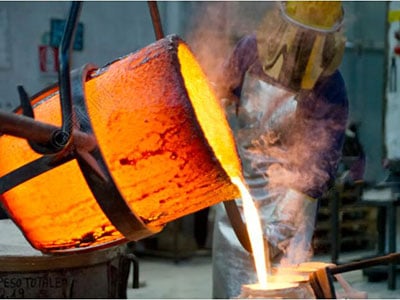
- High-Performance Alloys: The introduction of new alloy compositions that offer superior strength-to-weight ratios and enhanced resistance to wear, corrosion, and thermal fatigue.
- Digital Simulation: Use of CAD/CAM and simulation software to predict metal flow, solidification, and defect formation, reducing trial-and-error and improving yield.
- 3D Printed Patterns: Accelerating lead times and enabling design freedom for prototyping and low-volume production.
Quality Control and Traceability
Precision is not just about the process but also about rigorous quality control. JC deploys a comprehensive quality management system that covers:
- Material Certification: Full traceability of alloy batches, with certificates documenting chemical and physical properties.
- Non-Destructive Testing (NDT): Techniques such as X-ray, ultrasonic, and dye penetrant testing detect internal or surface defects.
- Process Documentation: Detailed records of each production stage, facilitating continuous improvement and accountability.
Benefits of Precision-Enhanced Custom Alloy Steel Castings
Performance, Reliability, and Cost Efficiency
The value of precision in alloy steel casting is evident in the benefits realized by JC’s industrial clients:
- Improved Mechanical Properties: Accurate control over alloy composition and microstructure results in superior strength, durability, and resistance to fatigue and wear.
- Reduced Assembly Complexity: The ability to cast complex shapes minimizes the need for joining or welding, reducing potential points of failure.
- Lower Total Cost of Ownership: Durable components translate to less downtime, fewer replacements, and lower maintenance costs over the product’s lifecycle.
Moreover, JC’s commitment to precision ensures that every casting is delivered on time and to specification, supporting the client’s production schedules and quality standards.
Sustainability and Lean Manufacturing
JC integrates sustainable practices into its precision casting operations. These include:
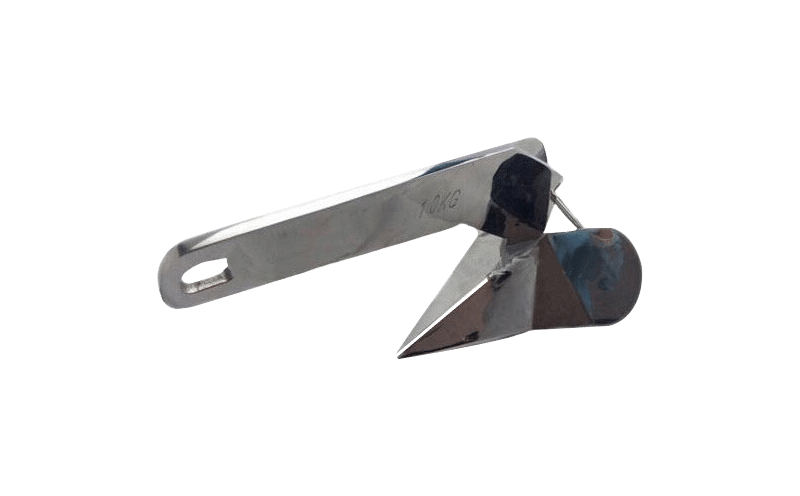
- Material Utilization: Near-net-shape casting minimizes scrap and raw material consumption.
- Energy Efficiency: Modern melting furnaces and process controls optimize energy use.
- Waste Management: Recycling of wax, shells, and scrap metal wherever possible.
Case Studies: Real-World Applications
Automotive: Lightweight Differential Housings
A leading automotive manufacturer approached JC for a lightweight yet high-strength differential housing. By utilizing precision investment casting with a specially formulated alloy steel, JC was able to deliver a component that met stringent weight and strength targets, contributing to improved vehicle performance and fuel efficiency.
Aerospace: Turbine Blades with Extreme Tolerances
For the aerospace sector, JC produced turbine blades with exacting dimensional and metallurgical requirements. The combination of precision casting and multi-axis machining ensured the blades could withstand high thermal and mechanical stresses, significantly extending their operational lifespan.
Oil & Gas: Corrosion-Resistant Valve Bodies
JC developed a series of corrosion-resistant valve bodies for offshore oil platforms. The castings demonstrated exceptional resistance to saltwater and harsh chemicals, reducing maintenance frequency and enhancing safety.
Energy: Generator Rotor Components
In the energy industry, generator reliability is paramount. JC supplied precision-cast and machined rotor components with outstanding dimensional stability and fatigue resistance, supporting uninterrupted power generation in demanding environments.
Why Choose JC for Precision Alloy Steel Casting?
- Comprehensive Expertise: Decades of experience in both investment casting and precision machining.
- Customer-Focused Solutions: Tailored approaches for each industrial sector and application.
- Full Spectrum Service: From engineering consultation to finished part delivery.
- Robust Quality Assurance: Certified processes and state-of-the-art inspection technologies.
In conclusion, precision is the cornerstone that enables JC to customize alloy steel castings for the most demanding industrial applications. By integrating meticulous process control, advanced technology, and collaborative engineering, JC stands at the forefront of delivering high-performance, reliable, and cost-effective components to global industries.