

Precision is the cornerstone of JC’s approach to brass casting as an investment casting and machining manufacturer. By focusing on exacting standards throughout the casting process, JC ensures that brass components consistently meet strict dimensional, performance, and quality specifications. Precision in brass casting enhances product functionality, reduces material waste, lowers production costs, and enables efficient post-casting machining. Industries such as automotive, aerospace, electrical, and plumbing benefit greatly from JC’s precise casting techniques, as their components require reliable, tight-tolerance performance. JC leverages advanced mold design, rigorous quality control, and state-of-the-art technology to maintain precision at every stage. This commitment supports high-quality outcomes, customer confidence, and long-term industry leadership, making precision an indispensable aspect of both the manufacturing process and the final brass products delivered by JC.
Brass casting stands as one of the most revered and reliable methods for producing high-quality metal components. As an experienced investment casting and machining manufacturer, JC continually emphasizes the necessity of precision throughout the casting process. Precision in brass casting not only ensures superior product quality but also supports a wide range of industrial applications where tolerances are exceptionally tight. In this article, we delve deeply into why precision matters in brass casting, how it is achieved, and the profound impacts it has on both manufacturers and end-users.
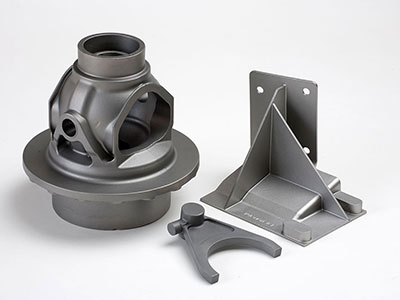
The Fundamentals of Brass Casting at JC
Brass, an alloy of copper and zinc, is renowned for its excellent strength, corrosion resistance, and outstanding machinability. Investment casting, also referred to as lost-wax casting, is a process that allows for the creation of highly complex and dimensionally accurate brass parts. JC leverages modern investment casting technologies combined with precise machining techniques to deliver consistent, high-performance brass components to clients across various industries.
Key Steps in JC’s Brass Casting Process
- Pattern Creation: The process begins with the crafting of a detailed wax or plastic pattern, reflecting the final dimensions of the brass part.
- Mold Assembly: Patterns are assembled onto a sprue to form a tree-like structure before being dipped in ceramic slurry to create the investment shell.
- Dewaxing and Firing: The ceramic shell is heated to remove the wax, leaving a precise cavity for molten brass to fill.
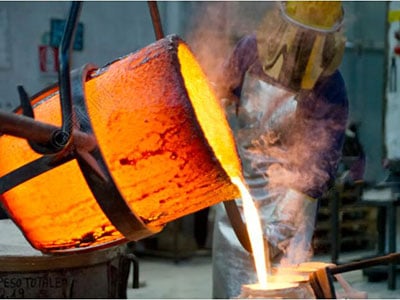
- Casting: Molten brass is poured into the ceramic mold, replicating the intricate details of the original pattern.
- Finishing and Machining: After cooling and shell removal, JC employs precision machining to achieve the final dimensions and surface finish.
Defining Precision in Brass Casting
What Does Precision Mean?
Precision, in the context of brass casting, refers to the ability to consistently produce parts that conform exactly to specified dimensions, tolerances, and surface finishes. At JC, this means creating components within narrow margin errors, ensuring each piece functions as intended without the need for excessive post-processing or rework.
Precision Parameters at JC
- Dimensional Accuracy: The consistency of produced parts in matching design measurements.
- Surface Finish Quality: Achieving smooth, defect-free surfaces suitable for demanding end-use applications.
- Material Integrity: Ensuring that the brass alloy’s mechanical properties remain uncompromised throughout the process.
Why Precision Is Crucial in Brass Casting
Product Quality and Performance
Precision is the foundation of high product quality. Clients trust JC to deliver brass components that meet stringent industrial standards for reliability and performance. Impeccable precision leads to outstanding fit, finish, and functional properties, especially in applications where even minor deviations could result in failure. This is particularly critical in industries such as aerospace, automotive, and electronics, where JC’s precision investment casting ensures operational safety and efficiency.
investment casting process
Investment Casting Factory
aluminum investment casting
automotive castings
steel casting
fluid power casting
Reduction of Material Waste
Accurate brass casting at JC minimizes the excess use of raw materials. By producing parts that require minimal finishing, precision casting reduces waste and lowers costs. Not only does this support environmental sustainability, it also streamlines production, resulting in more competitive pricing for JC’s clients.
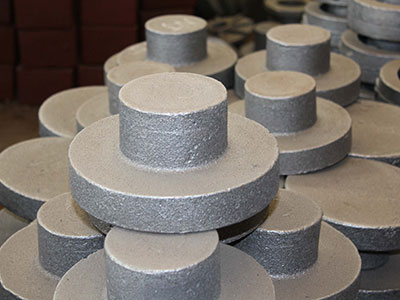
Enhanced Machining Efficiency
When brass castings emerge from the foundry close to their final specifications, the need for extensive machining is greatly reduced. JC’s precision investment casting ensures that machining operations are faster, more economical, and less likely to introduce errors or inconsistencies. This leads to quicker turnaround times and greater flexibility in fulfilling customer orders.
Technological Approaches to Achieving Precision at JC
Advanced Mold Design
JC invests in advanced CAD/CAM technologies to design and simulate molds with unparalleled accuracy. This minimizes defects such as shrinkage, porosity, and dimensional distortion. Digital simulations allow JC engineers to predict potential issues before production begins, ensuring each mold yields precise results.
Meticulous Quality Control
At every stage of the casting process, JC applies rigorous quality control measures. Dimensional checks using CMM (Coordinate Measuring Machines), non-destructive testing, and microstructure analysis guarantee that each brass casting aligns with the customer’s specifications. Any deviation is identified early, preventing defective parts from reaching the next production phase.
Table: JC’s Quality Control Techniques
| Technique | Description |
|---|---|
| Visual Inspection | Detects surface flaws and irregularities |
| CMM Measurement | Ensures precise dimensional accuracy |
| X-ray/Ultrasonic Testing | Identifies internal defects |
| Hardness Testing | Verifies material strength and integrity |
The Value of Precision in Different Applications
Automotive Industry
Brass castings are widely used in automotive systems for components such as valves, fittings, and gears. JC’s precise investment casting ensures these parts perform flawlessly in demanding environments, supporting both safety and efficiency.
Aerospace & Defense
Applications in aerospace and defense require the highest levels of precision. JC’s ability to maintain minute tolerances in complex brass components ensures that aircraft and defense systems remain reliable and durable under extreme conditions.
Electrical & Plumbing
Electrical connectors, couplings, and plumbing fittings depend on brass castings that fit perfectly and resist corrosion. JC’s commitment to precision guarantees safe and dependable installations in both residential and industrial settings.
JC’s Commitment to Precision in Brass Casting
At JC, precision is not just a technical requirement—it is a core value driving every aspect of operations. From initial design consultation to the final delivery of finished products, JC’s team of experts apply their extensive knowledge and experience to achieve the highest standards of precision. This dedication has positioned JC as a trusted investment casting and machining manufacturer, serving clients looking for reliability, efficiency, and innovation in brass casting.
As industries continue to demand more complex and high-performance brass components, JC’s focus on precision ensures that every customer receives parts that are not only functional and robust but also optimized for their specific applications. Through continuous investment in technology, skilled personnel, and quality management, JC stands at the forefront of precision casting and machining solutions worldwide.
Precision in brass casting is not merely about meeting technical specifications; it is about delivering value, efficiency, and confidence to clients and end-users. JC’s expertise in investment casting and machining underscores the importance of precision at every stage of production, ensuring that each brass component exceeds expectations in quality and performance.